
Teenagers thirteen times more likely to drown than other age groups
In my column a few weeks back I touched on the fact that the National Drowning Report 2025 reported the highest number of drowning deaths since records began, many of which were in the teenage age group. New research shows that the risk of drowning rises sharply for teenagers, surging 1300% or thirteen times (13x), between the ages of 10 and 20 years.
Worryingly, the new data shows that drowning in 15–20-year-olds has increased by 34% in the five years since 2021 (COVID-19 pandemic), compared to the five years prior. Royal Life Saving estimates that over 10 million swimming lessons were missed due to the pandemic. Five years on, many of those children are teenagers, who can’t swim but are likely to be exposed to drowning in rivers and beaches, where strong swimming skills are important.
So, what can be done to address this? Royal Life Saving Australia is urging parents to enrol their 8, 9 and 10-year-olds in swimming and water safety lessons as soon as possible, warning that too many children miss out on the vital skills that keep them safe, as teenagers and young adults, when drowning risk increases thirteen-fold. Research shows 60% of kids
start lessons before age 3, but most have dropped out before age 7. Royal Life Saving is reminding parents that learning to swim as a young child is a great start - but it’s often not enough to keep them safe as teenagers or last a lifetime.
Royal Life Saving Chief Executive Officer Dr Justin Scarr said “The decline in swimming skills in children is a key factor driving elevated drowning in teenagers and young adults”. More than half of 10-year-olds and 40% of 15-year-olds can’t swim 50 metres, and most of those may never swim, placing them at life-long elevated risk of drowning.
“If your children quit lessons before 7, a second dose of swimming at age 10 or before could be a lifesaving decision. Whether to build confident swimmers, encourage them into water sports or recreational activities, and to prevent drowning later in life, swimming is for life, and no child should miss out,” Dr Scarr said.
To help parents assess their children at age of 10, before drowning risk elevates, Royal Life Saving is providing the following checklist: Can your 10-year-old swim 50 metres and float for two minutes? If they fell from a boat or slipped off rocks, could they float and/or swim 50-100m to safety? If peer pressure meant they jumped from a jetty or rocks, could they swim to safety? If they were caught in a river current, would they know what to do to help them survive?
If the answer is no, or if you are not sure, then both we and Royal Life Saving are encouraging parents to get their kids back to swimming lessons!
Until next week, stay safer! Love to Swim, Swim for Safety, Swim for Life!
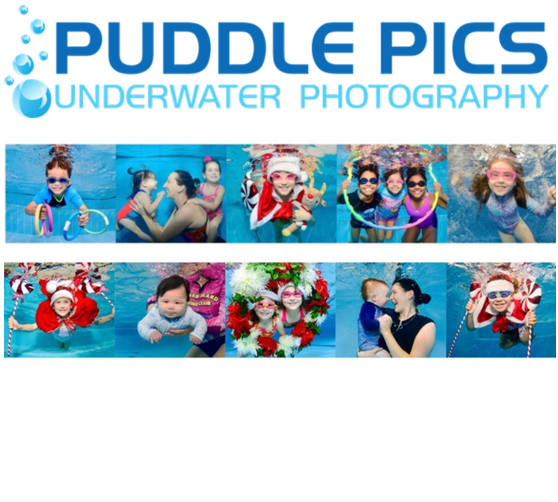
Christmas Fun For The Whole Family Underwater
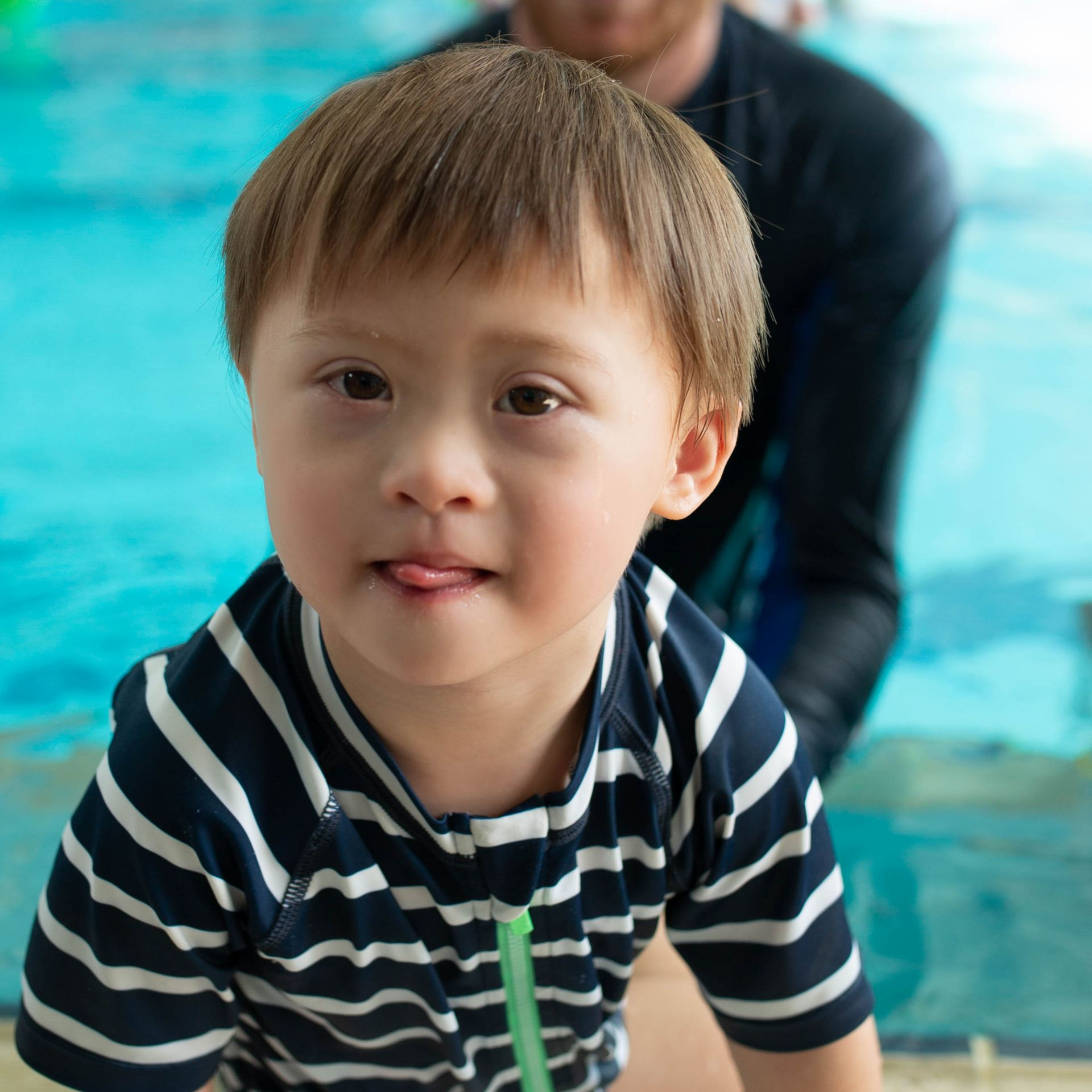
No Child is Left Behind
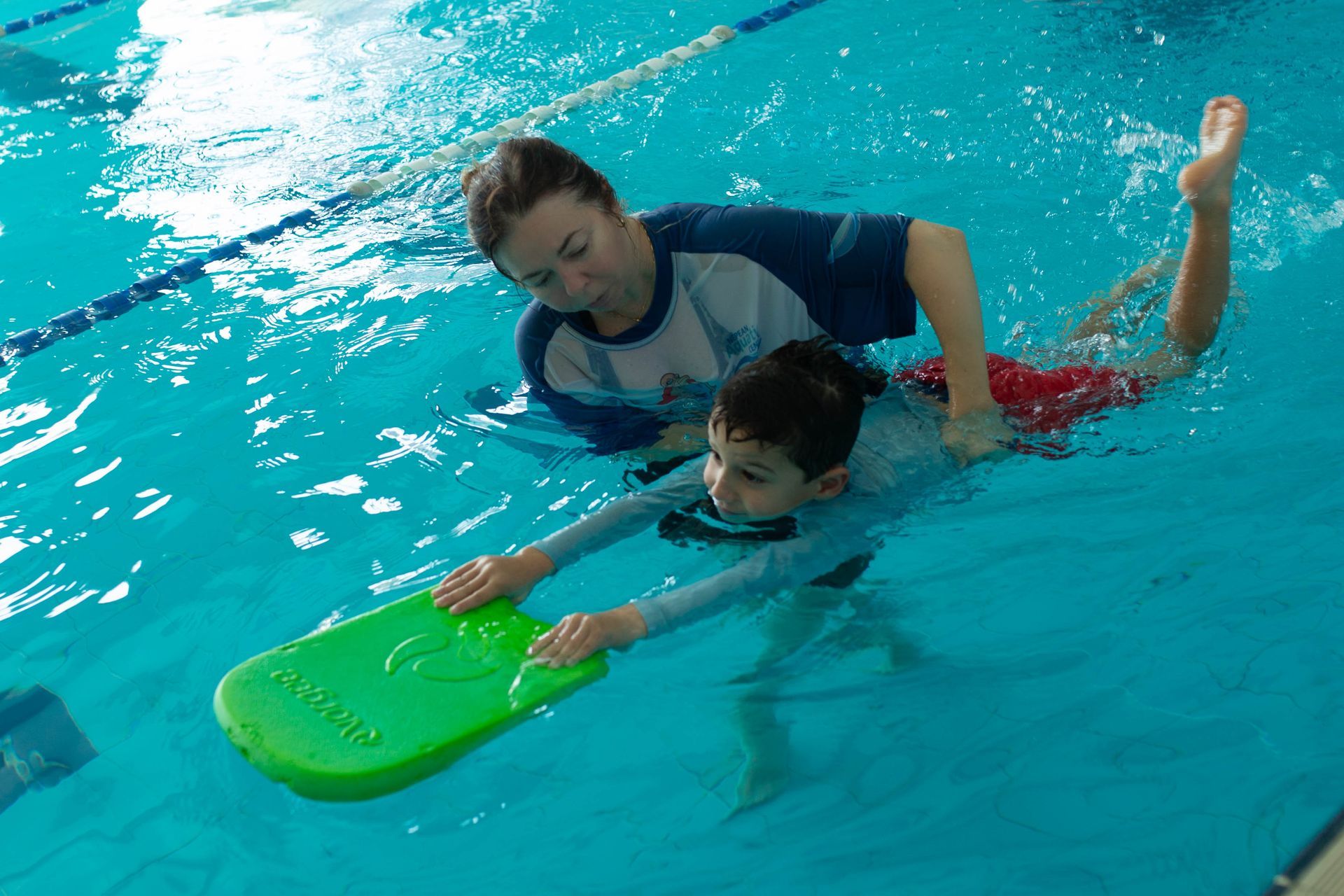
Every year, the end of summer comes up far too quickly, and I find myself urging everyone to just keep swimming – all year round! Why? Swimming is for absolutely everyone: from birth to the very end, swimming is an activity that enhances a person’s life. Once you know how to swim, it’s a skill you can use for a lifetime, in so many settings. Swimming brings families together: whether it's bonding with your baby during swimming lessons, enjoying the beach or poolside at home or on holidays, or supporting your competitive swimmer at meets, swimming time is often family time (especially as electronic devices and water don’t mix!) Most importantly……….. swimming can save your life. That’s it. The bottom line. Improved water safety is the number one reason to enrol in swimming lessons to improve swimming skills, no matter what age or stage you or your child are at. We encourage children to begin swimming at 6 months of age, and to regularly attend swimming lessons until their age-related safety milestones are met – consistency is key. Never learnt to swim and now as an adult don’t know where or how to start? We offer adult swimming lessons to help you reach your goals. Are you over 60 years of age? We also have a very special Seniors Water Wellness Program coming up in March in conjunction with Royal Lifesaving Australia and Seniors Week, offering a free lifesaving skills refresher program to kickstart your journey back into aquatic recreation. Visit www.drowningprevention.org.au/event-details/penrith-seniors-water-wellness-nepean to b ook your free spot. Want to fast-track your child’s water safety and swimming skills in the school holidays? Our school holiday intensive swim lessons and Paddles Super Swim camps are designed to build your child’s capability and confidence. Check out our website for upcoming dates and details. Like to work out in the water and enjoy all of the benefits of low-impact exercise? Join us for Aquarobics classes or lap swimming in our indoor heated pools. Looking for a pool party that isn’t dependent upon the weather? Come party with us, complete with lifeguards and inflatable slides for hours of birthday or team-building fun. Since 2011, we have taught thousands of local people to swim at Nepean Aquatic Centre! Whether you're a child or an adult, mastering the art of swimming offers numerous benefits that extend far beyond the water's edge. To celebrate our 15th birthday at Nepean Aquatic Centre, we are offering a Special Offer in March for Western Weekender readers - get your first lesson free upon enrolment! The offer is applicable for all new enrolments and re-enrolments, at both Nepean Aquatic Centre and Eva Borys Swim School, and all enrolment T’s and C’s apply. Just mention the Western Weekender to get your First lesson free and enrol with us today! Until next time, stay safer! Love to Swim, Swim for Safety, Swim for Life!
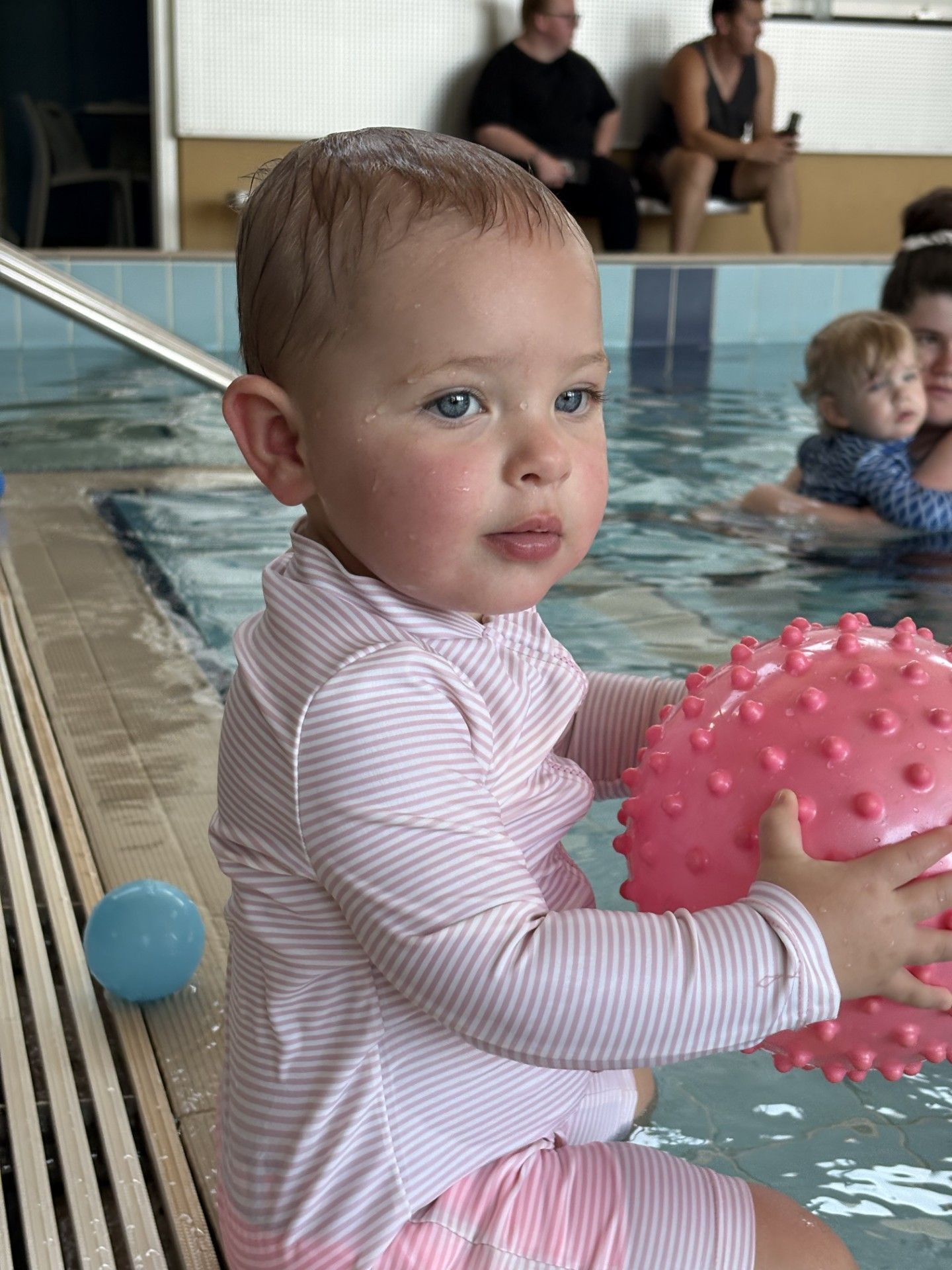
I am often asked by parents considering enrolling their child in swimming lessons ‘How long will it take for my child to Learn to Swim?” Unfortunately, it is not a question I can answer simply, as every child is different, and learning to swim is a long-term, ongoing process. My best advice – start early – and if you didn’t start your child early – start now. Australian experts recommend starting swimming lessons from 6 months, but you can and should practice early water familiarisation before this. Babies are not born with a fear of water, but can easily develop a fear if not acclimatised to water, so make sure the baby has regular baths and showers, and becomes comfortable with the sensation of water being trickled and then poured over their head. Your 6-month-old will then accept the water more readily and with less fear than an older child who is suddenly exposed to water in an unfamiliar environment outside of the home. Drowning is a fast and silent killer. Children aged 0 to 4 years are at high risk of drowning, and the impact on families is devastating. It is a risky time, as young children are naturally curious and attracted to water but do not yet understand the concept of danger. The earlier a small child can get to the side of the pool after a jump or fall into the water and pull themselves out, the better and the safer they will be. Acquiring this skill takes time and practice, but it is worth every effort to master. I cannot give you a timeframe in which a child will learn, but consistency is the key to the development and maintenance of swimming skills, so attending lessons should become an established part of your child’s weekly routine throughout their infant, preschool, and early school years. Regular lessons all year round allow your child to practise the swimming skills appropriate to their developmental stage and learn at their own pace. Patience and encouragement are key. As with any skill, it is normal for the child to go through periods of plateau, regression, and developmental leaps throughout the process of learning to swim, but over time, constant progress is being made. We usually say (as a general guide) that your child has become a capable swimmer when they are able to swim 400 metres with good technique, without stopping, and without becoming exhausted. This level of skill may take children individual amounts of time to reach, but it establishes a strong swimming foundation. These swimming skills should then be retained in children over 7 years of age, whereas younger children need consistent reinforcement to maintain their competency. It is important to remember that swimming is not just another option on the list of sports and activities available to children – it is an invaluable lifelong skill that may just save their lives – and we offer swimming lessons 7 days a week at 2 different sites. Jump onto the website www.nepeanaquaticcentre.com.au or give us a call, and get your child into swimming lessons asap. Not knowing how to swim in Australia is just not worth the risk.
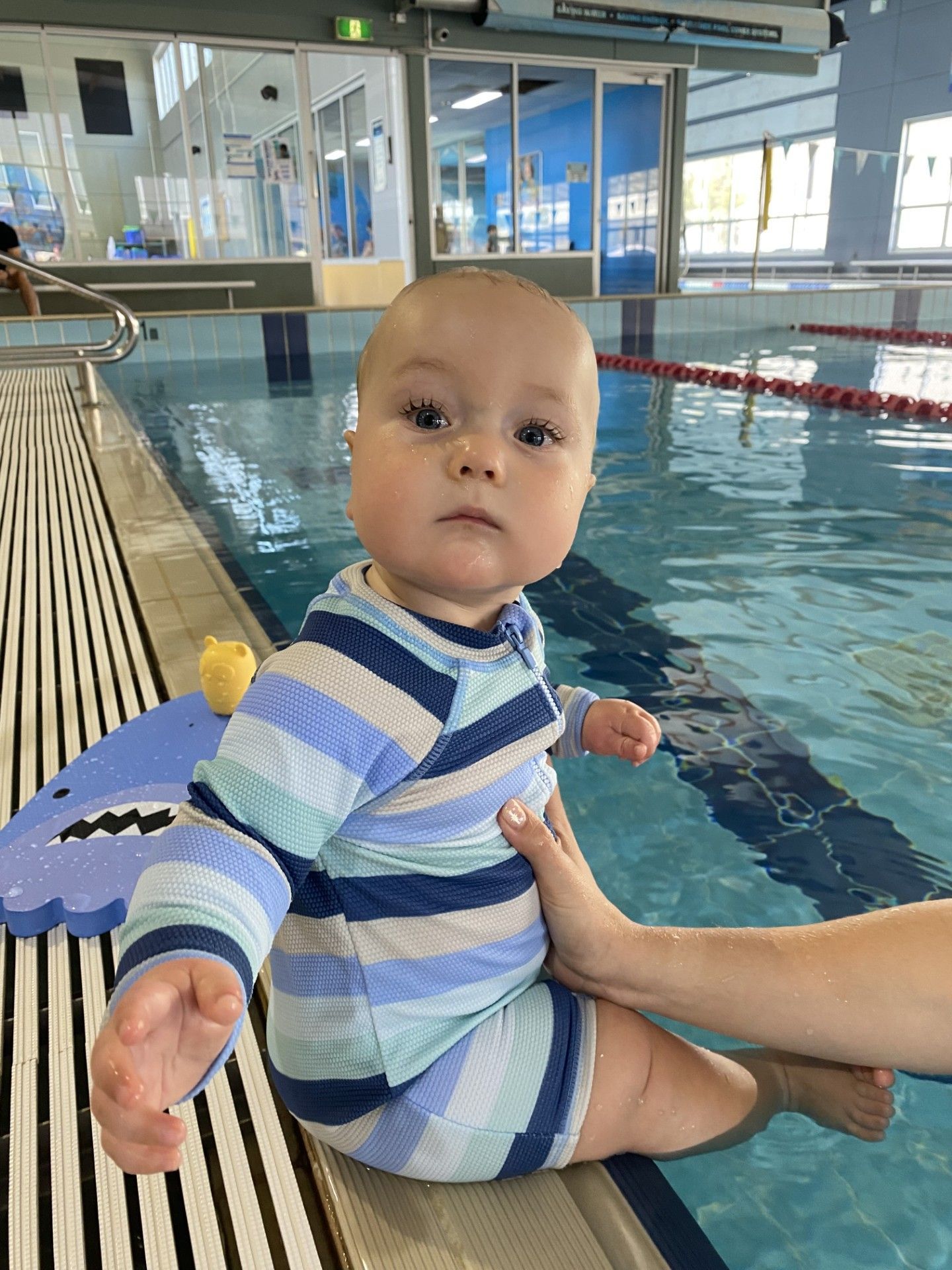
Did you know that Royal Lifesaving Australia research shows that one-year-old children are statistically at the greatest risk of drowning in Australia, with the risk of drowning tripling after a child's first birthday? This is largely to do with children becoming more mobile at this age. "Parents and carers need to know that the risk of drowning triples as soon as a child starts to crawl, peaking shortly after a child's first birthday," Royal Lifesaving CEO Justin Scarr said. The importance of swimming lessons cannot be underestimated. The sooner a child can turn themselves around after a jump or fall into the water and return to the side, the safer they will be. We understand how busy parents are and that morning or weekend Water Babies lessons may not suit all families, especially families who also have older children in afternoon swimming lessons, which is why we also offer afternoon Water Babies swimming lessons at Nepean Aquatic Centre. Our Water Babies program teaches young babies and children games and exercises that teach them when to jump into the water, when to hold their breath, and to either turn over and float or paddle back to the side and hold on, or to pull themselves out. This is absolutely crucial to a child’s water safety. Lessons also teach children to wait their turn, and not to e nter the water until invited to do so with an adult, an important skill when by the pool at home. The Australian Bureau of Statistics lists drowning as the number one cause of accidental death in children under 5. Royal Life Saving said "almost all" drowning deaths in children under 5 were due to lack of adult supervision, with most of the deaths a result of a fall into the water. Royal Life Australia recommends that children aged 0-5 should be within arm’s reach of a supervising adult at all times when around water. Mr Scarr said, "We can't emphasise enough how important active adult supervision is in preventing these deaths. Distractions are dangerous - whether it is taking a phone call, browsing social media, or ducking inside to grab something - we ask parents and carers to always keep watch. In addition, it is essential that people install pool fences and check pool gates regularly to make sure they are not faulty or kept propped open." We run water Babies swimming lessons 7 days a week. Interested in afternoon Water Babies lessons? Jump onto the website www.nepeanaquaticcentre.com.au or give us a call.
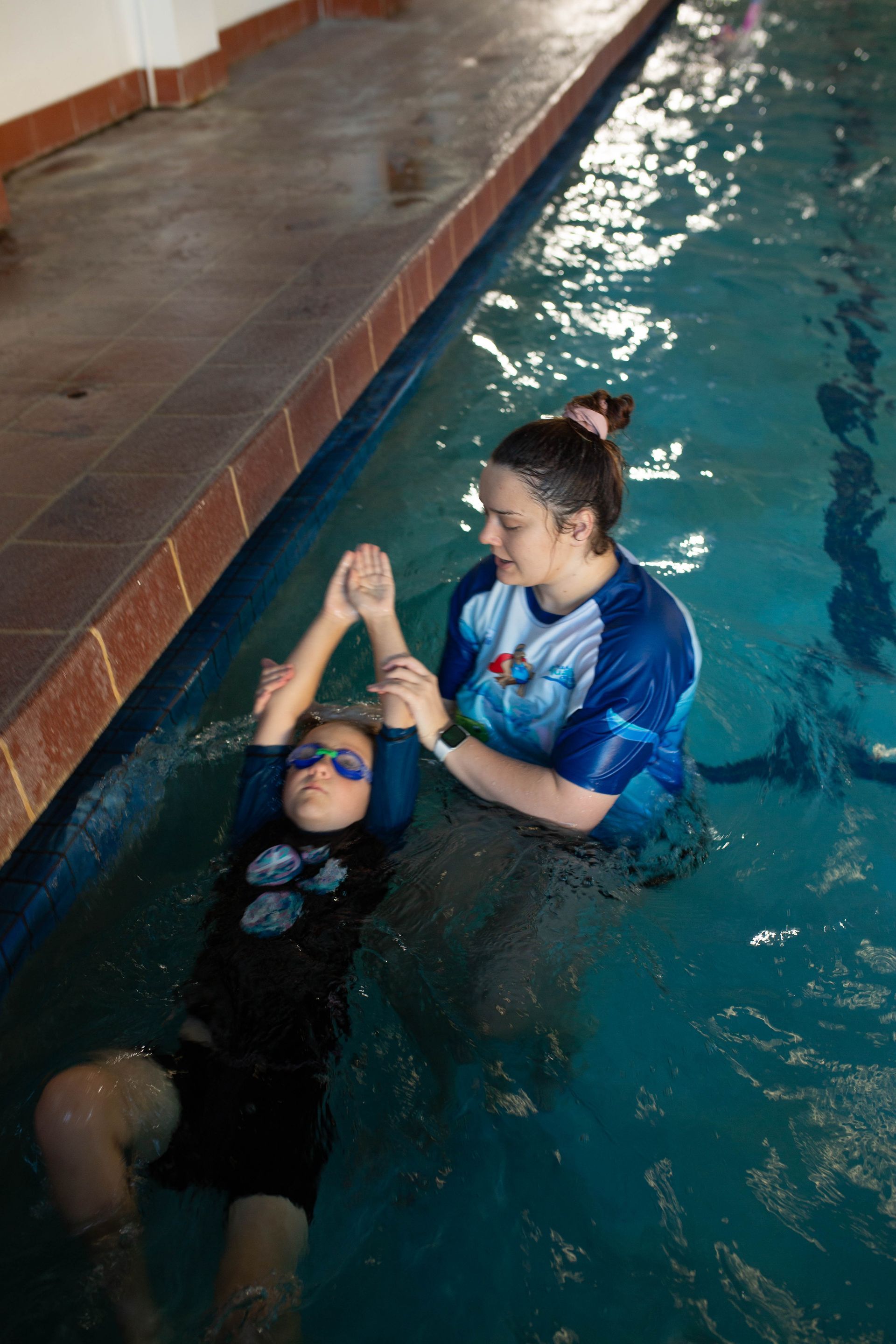
With children back to school this week I wanted to remind parents of all the benefits of Learn To Swim, and why swimming lessons should be a non negotiable part of your child’s weekly routine! It is so important to swim all year round, alongside any other sports and activities in our busy family schedules. Learning to swim is an activity that offers numerous benefits for children beyond simply staying safe in water. From physical health to mental well-being, swimming provides a holistic approach to a child's development in a way that no other sport or activity can match. The most obvious and most important benefit of learning to swim is water safety. Drowning remains a leading cause of accidental death in children of all ages, with a high number of non drowning immersion incidents causing life long injuries, and teaching kids how to swim reduces the risk significantly. Knowing how to float, tread water, and perform basic strokes can save lives in emergency situations. Moreover, understanding water safety rules instils confidence and promotes responsible behaviour around water. Swimming is an excellent form of exercise that engages the entire body, improving cardiovascular health, strengthening muscles, and enhancing flexibility. Swimming is low impact, making it suitable for children of all ages and fitness levels, and regular swimming sessions can help combat childhood obesity and promote a healthy lifestyle from an early age. Swimming also has therapeutic effects on children's mental health and emotional well being. The soothing nature of water calms their minds and reduces stress and anxiety. Swimming releases endorphins and also provides an outlet for pent-up energy and emotions, helping children regulate their emotions more effectively. Plus, swimming lessons provide opportunities for children to socialise and make new friends! Learning to swim empowers children and boosts their self-confidence. Overcoming the initial fear of water and mastering new skills gives them a sense of achievement. As children progress in their swimming abilities, they gain confidence not only in the pool but also in other areas of their lives. This newfound confidence can translate into improved social interactions, academic performance, and overall well-being! Learn to Swim lessons are often a child’s very first structured activity. Swimming is a life skill that opens up a world of opportunities for children. It enables them to participate in water-based activities such as snorkelling, surfing, and kayaking. Strong swimming skills can lead to future endeavours such as lifeguarding, competitive swimming, or even careers in aquatic sports – we have lots of junior employees whose first job is with us! By introducing children to swimming at an early age and allowing children to consistently swim all year round, parents provide their children with a foundation for a healthy and fulfilling life both in and out of the water. On the flip side, a break from lessons often leads to skill regression, undoing some of the progress made prior to time out of the water. I encourage all parents (or grandparents!) to make swimming lessons non negotiable part of your child’s weekly routine in 2026 and beyond, at least until they reach their swim safety skill benchmarks. See you soon at the pool!
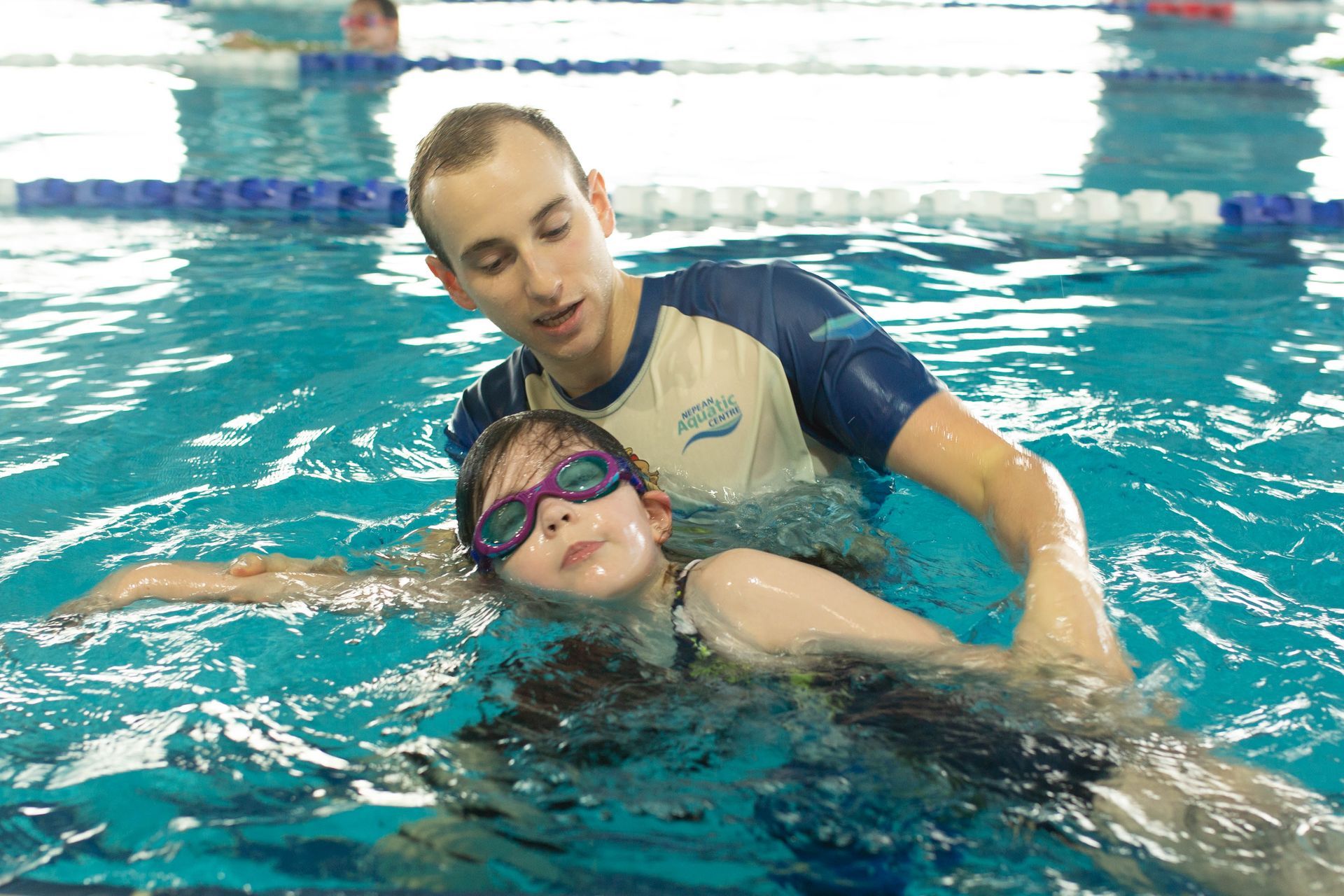
Are you looking for rewarding local casual work with children, teaching them a skill for life? Are you available afternoons and weekends? We are currently recruiting, offering successful individuals the chance to become certified swimming instructors and teach kids one of life’s most important skills — how to swim! So why become a swim instructor with us? It is both rewarding and fulfilling knowing you are making a difference in the lives of the little people who attend learn to swim lessons and teaching them a skill that may one day even save their life. As swimming continues to rank among the top recreational activities for children, the need for skilled teachers who can combine safety, fun, and learning has never been higher. What qualities are we looking for? • Applicants must have a genuine passion for working with children while teaching a skill for life! • Are you a Weekend Warrior? We are seeking people with the availability to work on weekends with the ability to work on one or both days (Saturday and Sunday), plus multiple weekday afternoons. • Prior experience is not required; internal paid training will be provided. • A bright and cheerful attitude paired with a strong work ethic ! • Applicants must be 16 years of age or older and must obtain a Working with Children Check if 18 or over before progressing through our recruitment process. We are also seeking (preferably already qualified) instructors who are interested in being upskilled to work with our Achievers Program for neurodivergent and uniquely-abled children. Our Achievers program runs on Sunday at Nepean Aquatic Centre, so consistent Sunday availability is a must . Seeing a child go from being afraid of the water to swimming their first lap is something you can’t forget - it’s an incredible feeling to know you’ve helped make that happen. Join our team and make a positive impact on children’s lives by teaching them essential water safety skills. As part of the Nepean Swim & Fitness team, you’ll have the opportunity to work in a fun, friendly, and supportive environment with a flexible schedule and ongoing professional development opportunities. Interested? Email me asap - julie@nepeanswim.com.au - to express your interest and request further information. Interviews will be taking place soon!
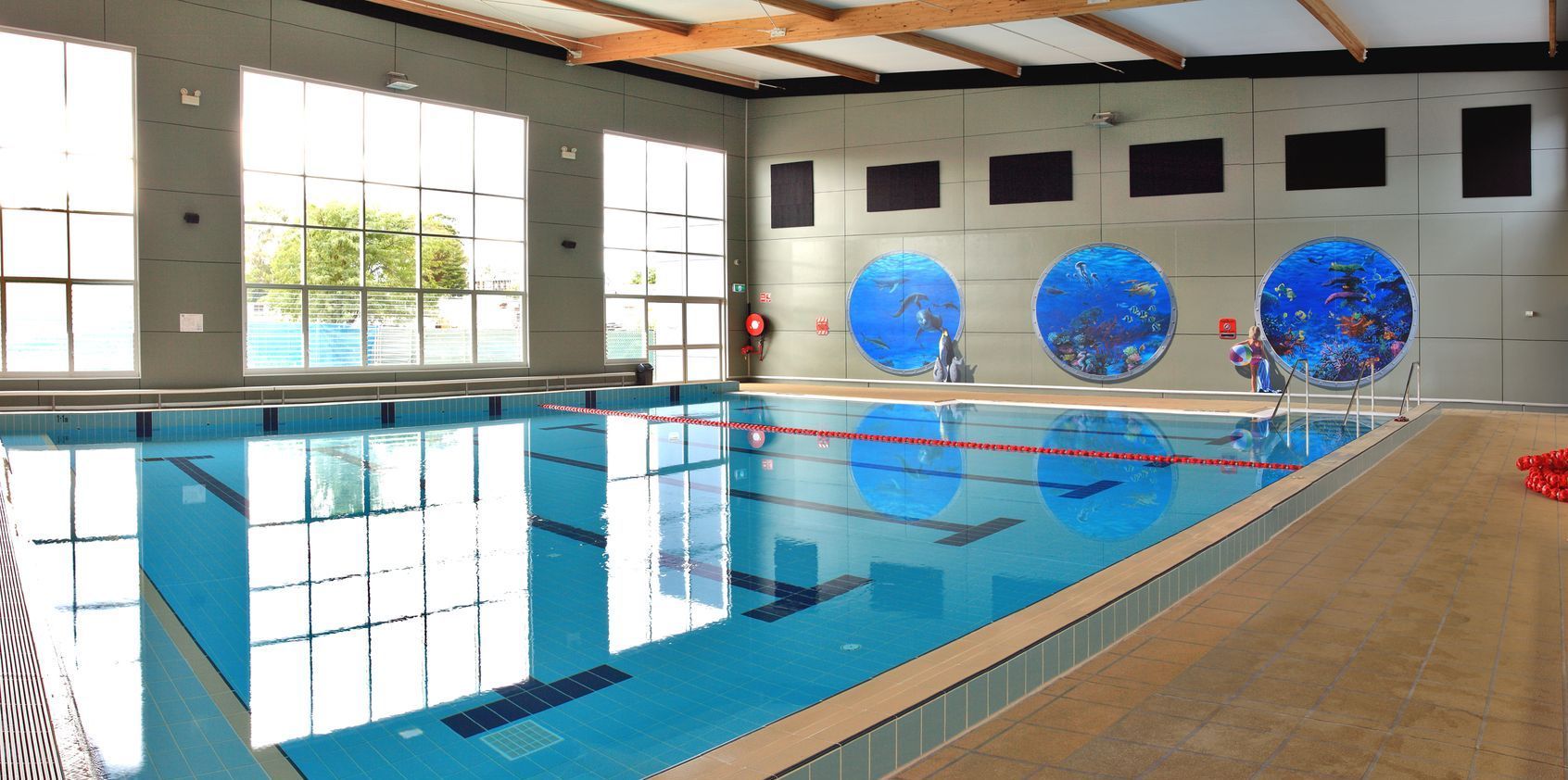
With lots of us going back to work this week, it’s time to get back into good routines, and for many, back to regular exercise to combat the after effects of the festive celebrations! Water exercise is a perfect place to start for many of us. Regular exercise is incredibly important for both physical and mental health and wellbeing, but running, going to the gym or group sport isn’t for everyone, particularly if you have mobility issues of any type. Water is 15 times more resistant than air, so many people use water resistance training when injured to maintain their cardiovascular fitness with less impact and stress on joints, bones, and muscles due to the buoyancy of water. The support provided by the water also makes it an ideal environment for post workout recovery and stretching, and provides relief for sufferers of many health conditions including arthritis, back pain, heart disease, obesity, fibromyalgia, or multiple sclerosis. Aquarobics is not just for seniors as it has sometimes been perceived and can be a highly challenging and effective workout. Aquatic exercise is one of the most effective ways to train whilst putting less stress on the body and increasing your range of motion, regardless of your age, gender or fitness level! We offer a range of classes for all fitness levels, including gentle classes for seniors or rehab, and options for pre and post natal women, with a group of fun and friendly instructors. The beauty of Aquarobics is that you can work at your own pace, and that the exercise is low impact, so much kinder to knees, hips, backs and ankles. Just as importantly – it’s set to music, is great fun, mood boosting, non intimidating and very social – providing wonderful benefits for both body and mind! Grab a friend and come and join us to see what all the fuss is about. But I warn you – Aquarobics is addictive! Just ask the participants who have been coming along for 5, 10 and in some cases 20 years………! If you prefer a solo workout, lap swimming is the ultimate all-in-one exercise, working most muscles in the body with every stroke, increasing flexibility and muscle endurance. Muscles are strengthened and toned as a result of water resistance, core strength is improved, and the nature of breathing whilst swimming promotes greater lung capacity. We also offer squad swimming, or Kids Swim 4 Fitness as an alternative for children and teenagers who like to swim purely for fitness, without the training schedule and competitive aspect that comes with squads. Joining a local swim club is a great way to swim to swim, race and socialise with other fans of swimming, and membership is open to both competitive and social swimmers. Whichever option you choose, please observe basic swim safety and enjoy your water workouts this summer. See you next week. Love to Swim, Swim for Safety, Swim for Life.
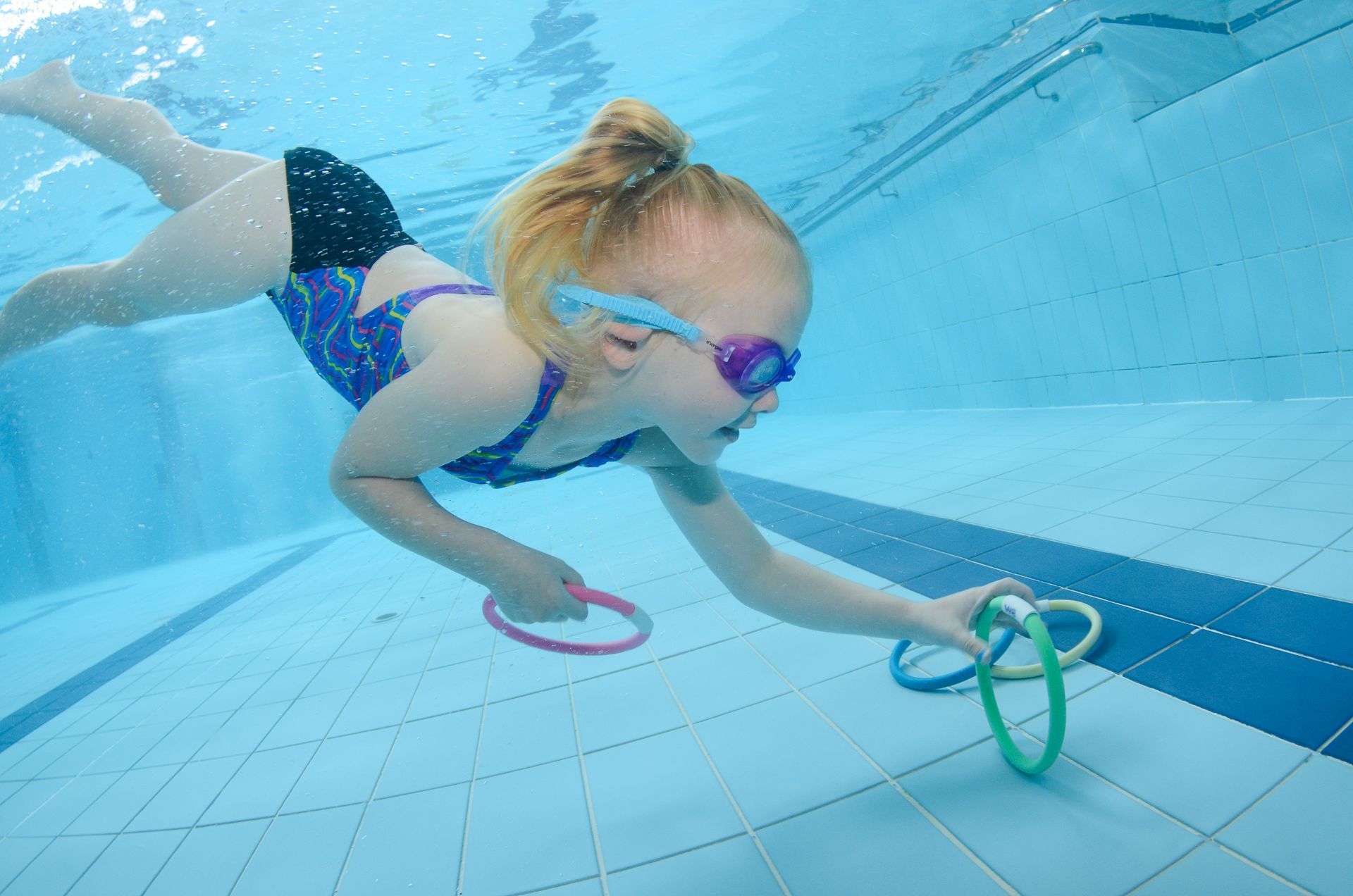
I wish I could say Happy New Year, but unfortunately, it’s been a horror start to 2026 in terms of water safety. Speaking to Sydney's 2GB radio last week, Surf Life Saving NSW CEO Steve Pearce described the death toll so far for 2026 as "absolutely horrendous", and I have to agree. At the time of writing 5 people have lost their lives and surf lifesavers say they have performed hundreds of rescues across the nation's beaches since Christmas Day. Over the New Year period, the risk of drowning is three times greater than at any other time of the year. So it seems timely to remind everyone to commit to some Water Safety resolutions, and to implementing them all year round? Supervision is key. A lapse in adult supervision was the major risk factor in 100% of all toddler drowning deaths last year, and drowning remains the number 1 cause of accidental death in children under 5, with most deaths in this age group occurring in backyard pools. Please don’t be distracted when with children around water - nothing is more important than their safety. Put the phone down and enjoy this precious time in the sun. Never assume someone else is watching. Every water safety education programme has a common message – learn to swim – from babies to children to adults. It is a proven fact that swimming lessons save lives. The sooner your child can get safety back to the edge of the pool unaided, the better. Make this year your year to get your kids into lessons, and to learn yourself if required. If your children are not yet in lessons – please enrol them. If your children are learning to swim – please keep them in lessons until they are truly competent. Looking for something to do next week? We run intensive discounted lessons at Nepean Aquatic Centre, fast tracking swim skills. At home, it’s so important to check pool fences regularly & shut the gate. Accidental falls into water remain the leading activity prior to drowning among children under five. Check the fence is safe and cannot be climbed, and that the pool gate is self latching. Barriers provide an important extra layer of protection but are never a substitute for constant adult supervision. At the beach, swim between the flags and in patrolled areas only at the beach, and be aware of any rip currents – the ocean can be deadly, and swimmers can be swept out to sea incredibly quickly. Children should be arms reach at the beach. We are very lucky to live so near to the beautiful Nepean River, Penrith Beach, and various waterholes in nearby national parks, however the flat, still surface of an inland waterway can give a false sense of security, and currents, undertows or submerged objects can prove to be very dangerous. The message is simple: wear a lifejacket when on the river, avoid consumption of alcohol and drugs around water, know your limits, don’t take any risks, and never swim alone. Would you know what to do in an emergency? If the answer is no, make it your resolution to learn CPR in 2026. Let’s all make 2026 the year to improve the swimming and water safety skills of all Australians and to see more local children reach all of the recommended swimming benchmarks, for lifelong safe and active participation in physical aquatic activities and recreation. Love to Swim, Swim for Safety, Swim for Life
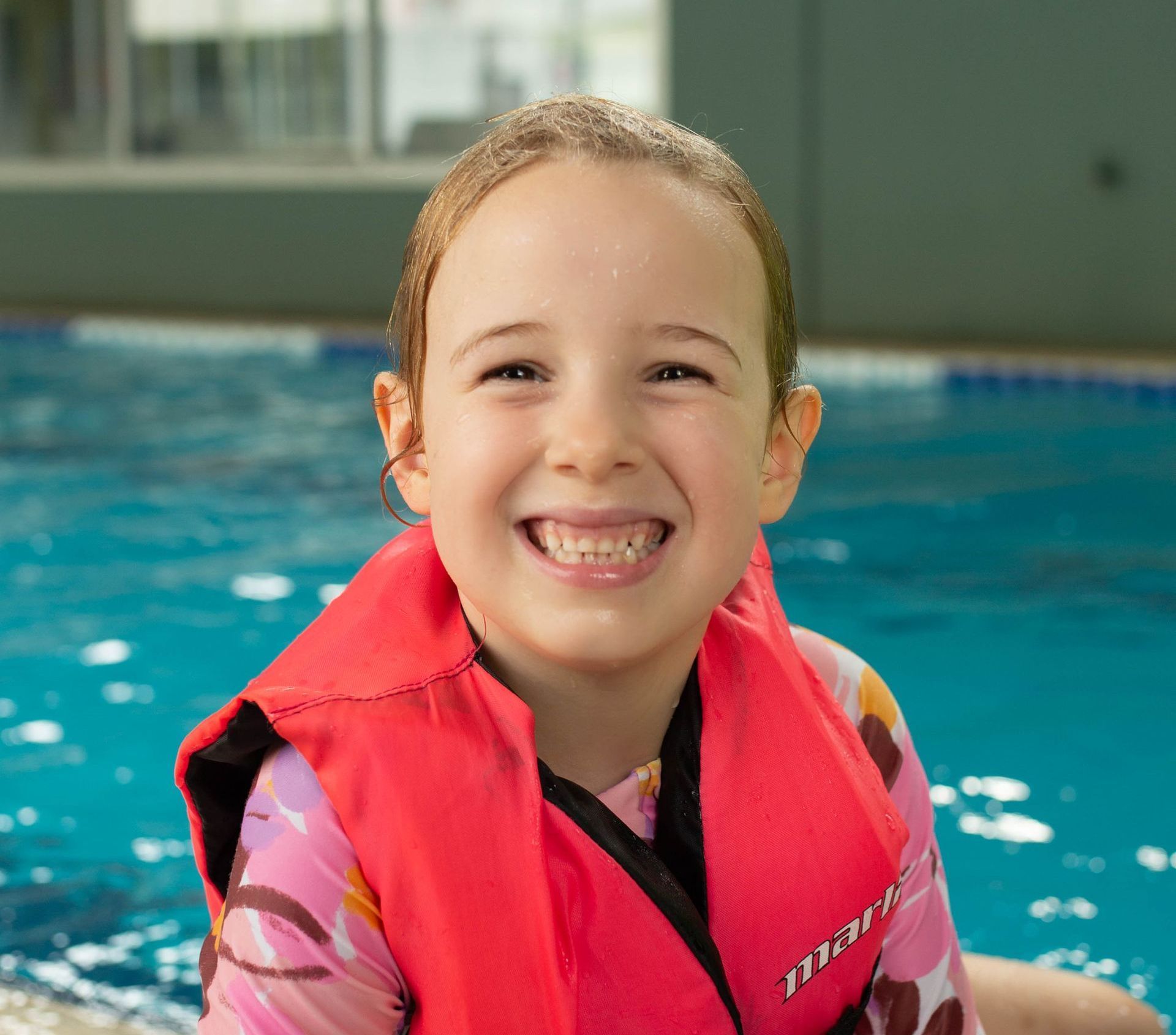
Looking for things to do this School Holidays that also teach your child a skill for life and represent great value for money, while also keeping them off screens and devices? We have you covered. It’s all about health and safety for us, and it’s so important that children learn about water safety as soon and as consistently as possible. One of the most rewarding parts of what we do is to watch children taking on board the water safety lessons learnt in early swimming classes, graduate to preschool classes, then attend camps and intensive programs, becoming safer swimmers all year round, year on year. This January school holidays we are running our very popular ‘Paddles Super Swim Camp’, a 2 day vacation care program where water safety meets fun and children learn all about the basics of CPR and First Aid, the Kids Alive Do the Five pool safety rules, and get to practise in water rescues and lifeguarding skills, plus a pool party with the inflatable slide on the final day! Many children attend this camp every school holidays, making lasting friendships and positive memories. Our camp leaders are all qualified lifeguards, and fantastic role models for the children attending. Please note, this camp is only suitable for children kindy to year 6 who are able to swim without floatation. We are also offering a 5 or 10 discounted School Holiday Intensive Program in January to fast track swim skills, technique and water confidence which is always popular and rewarding. Lessons are available for Squids to Sharks at Nepean Aquatic Centre, and we offer a discount of more than 30% off our regular lesson price on these intensive lessons to improve children's swimming and water safety skills during a short timeframe within the school holidays – a perfect way to catch up on skills before beginning weekly lessons or consolidate skills learnt in weekly lessons (plus expend some of your child’s school holiday energy through physical activity!) Dates and details for both programs are on our website, but be quick, places fill fast! Are your children too young for these programs? No problem. Weekly lessons still remain the most effective way to ensure your children are meeting their expected swimming skill benchmarks, and our lessons start from 6 months of age, and it’s never too early for water safety education at home. Fear of the water is acquired, so make sure baby has regular baths and showers from newborn and becomes comfortable with the sensation of water being trickled and then poured over their head. Your six month old will then accept the water more readily, and with less fear, when starting formal lessons. Water safety should also be regularly reinforced at home - never go near the pool without an adult, never climb the pool fence, shut the gate, let an adult know if another child goes near the pool alone, swim between the flags at the beach, reach to rescue, be careful in the bath, etc. Through repetition, these safety messages become embedded and form good habits in children that will last a lifetime. There are lots of options, so let’s help our children by teaching them how to stay safer around the water! See you next week!